
In Kafouri, Block 5, the Arabtic Group office does not look like a marble front for a company selling a ready-made dream. The corridors are practical, the tables hold drawing sets marked in handwriting, and the talk turns to programme and quantities before it turns to the logo. The group was founded in 2018 as an engineering company in consultancy, real estate development and infrastructure. Eight years is not a long life in an industry where reputation is counted in decades, but it is long enough to show whether a firm is one successful project or an institution that can repeat the work.
The written vision says Arabtic wants to lead real estate development in Sudan, leave a mark on the market, and later expand toward regional markets with architectural standards that can compete in the region. The mission is quieter: contribute to development through residential, commercial and infrastructure projects, deal with clients clearly, and hold to quality and safety. The values translate that into short lines repeated in meetings: integrity, professionalism, teamwork, and responsibility for what is built.
The leadership we are asking for is not to have the tallest tower. Leadership is when the engineer, the resident and the supplier all trust the number we write in the specification.
Arabtic Group management
Two sectors under one roof
The group works on two tracks that look separate in brochures and meet in the city: real estate development on one side, roads and bridges on the other. The first sells residential and commercial units, from villas, towers and apartments to service centres, complexes and health facilities. The second builds what makes those units liveable: roads, bridges, and concrete and asphalt products. Management says separating them in the organogram is necessary for accountability, and joining them in decisions is necessary so a tower is not raised on an approach that fails in autumn.
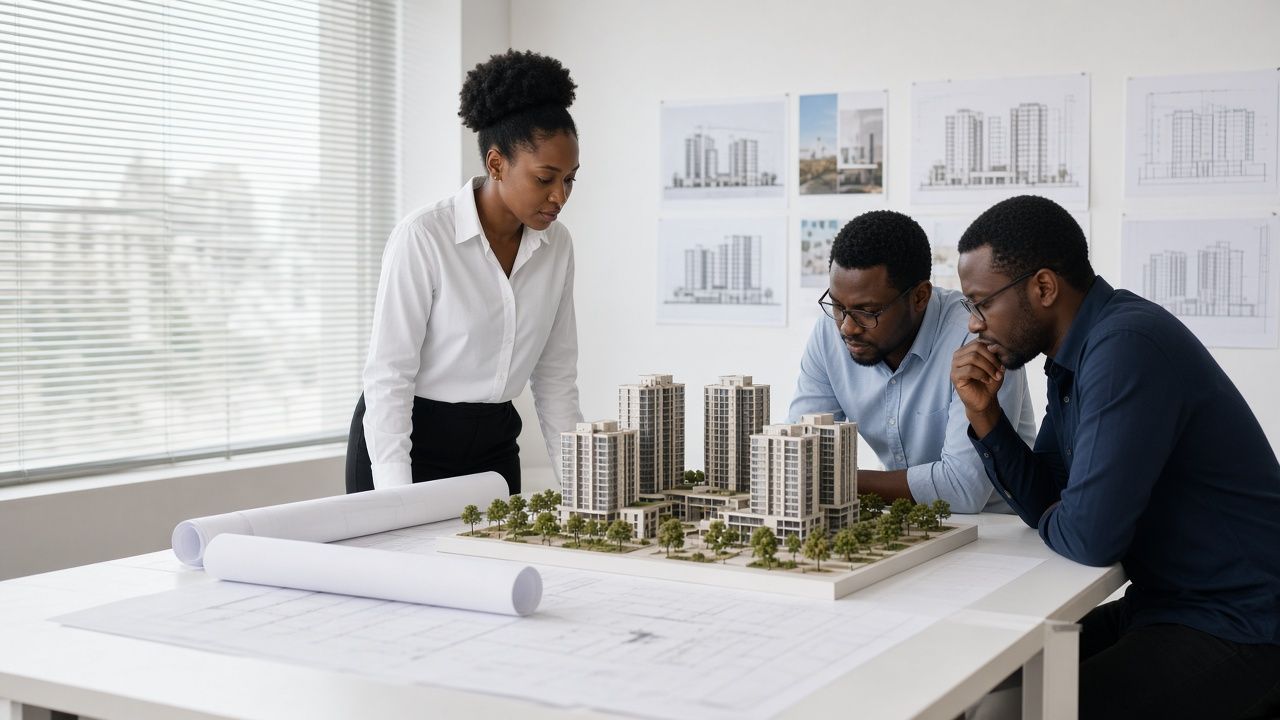
The move into Port Sudan, in the Airport District on Alsilk Road, was not presented as a decorative branch opening. The city is the country’s sea gate, and housing and work there follow a different logic from the capital. An office on site means operating, maintenance and sales decisions do not wait a week to arrive from Khartoum. It also means the Al-Thuraya series in both cities answers to the same engineering management, even when climate and market differ.
After the drawing
Many engineering firms in the region stop at the drawing issue or at the unit key. Arabtic writes in its profile that it wants to remain in the picture after that: asset management, running complexes, and hospitality that makes a building a managed place rather than a structure left behind. The ambition is expensive, because it needs shift teams, maintenance logs and suppliers who do not vanish after the first invoice. If it holds, it is what turns a projects company into a firm with a long relationship with the people who live in its buildings.
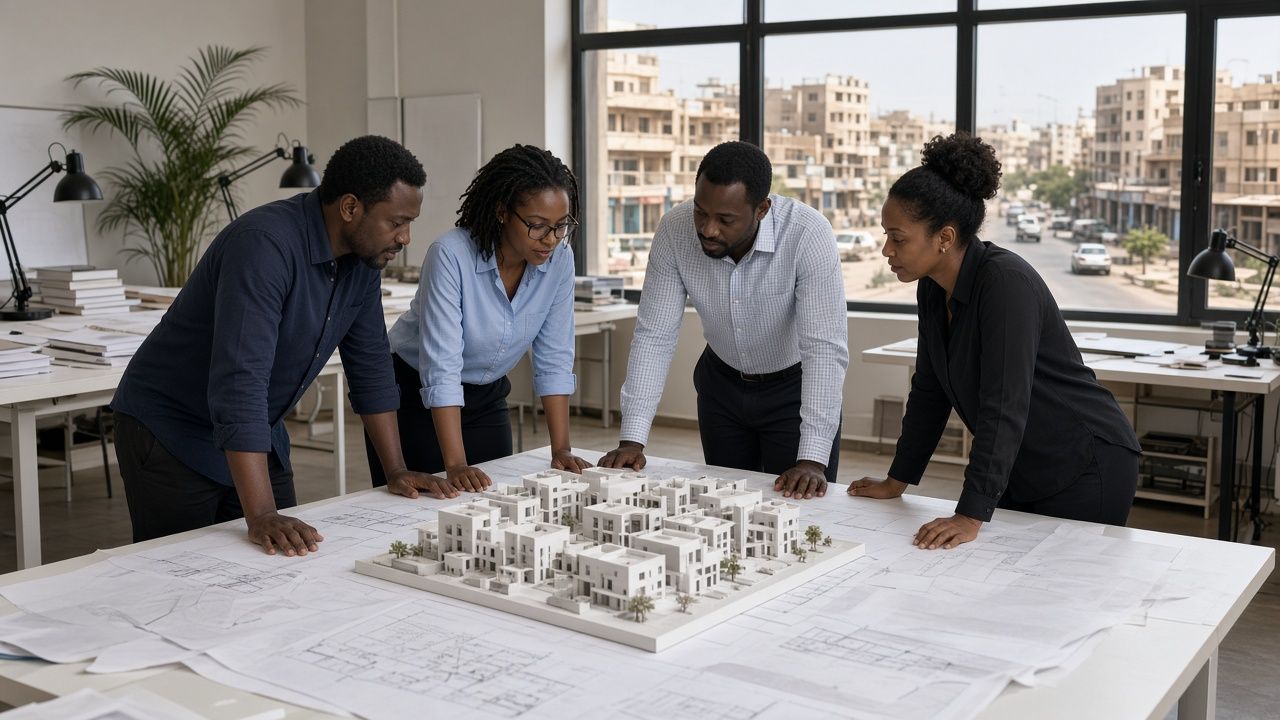
In a market that pushes everyone to hurry the sale and postpone maintenance, eight years since founding is too little to settle the argument. The questions management repeats in the Monday meeting have nevertheless grown clearer: do we keep what we wrote in the specification? Can a buyer call after handover and find an answer? Can we repeat the quality of a tower in a road, and the quality of a road in a tower? If those questions stay alive, the Arabtic name may move beyond a project list toward what the vision asks for: a place in the market built by patience, not by noise.