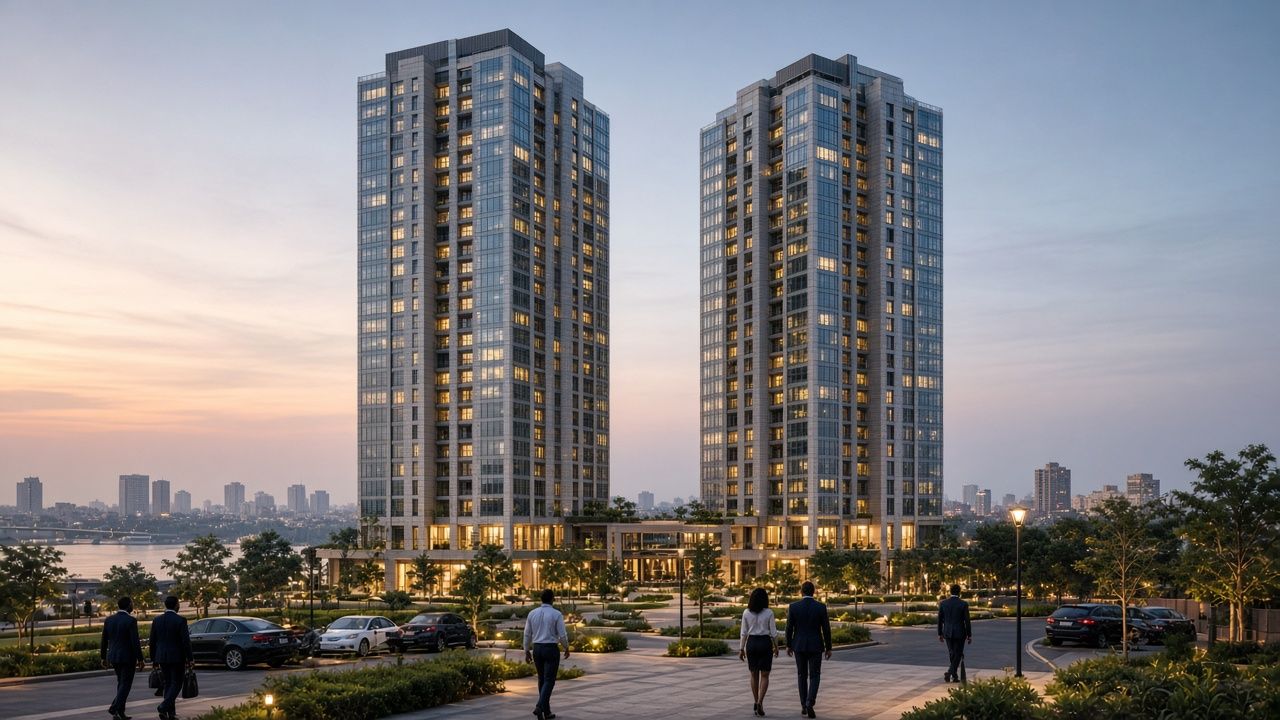
On a skyline that is changing quietly between Khartoum and Port Sudan, the Al-Thuraya towers are no longer just a name on a glass elevation. The residential series developed by Arabtic Group has become one of the clearer private-sector attempts to redefine what contemporary housing can mean in Sudan: units designed to be lived in, and handed over against specifications that can be measured, not promises that fade after the purchase contract is signed.
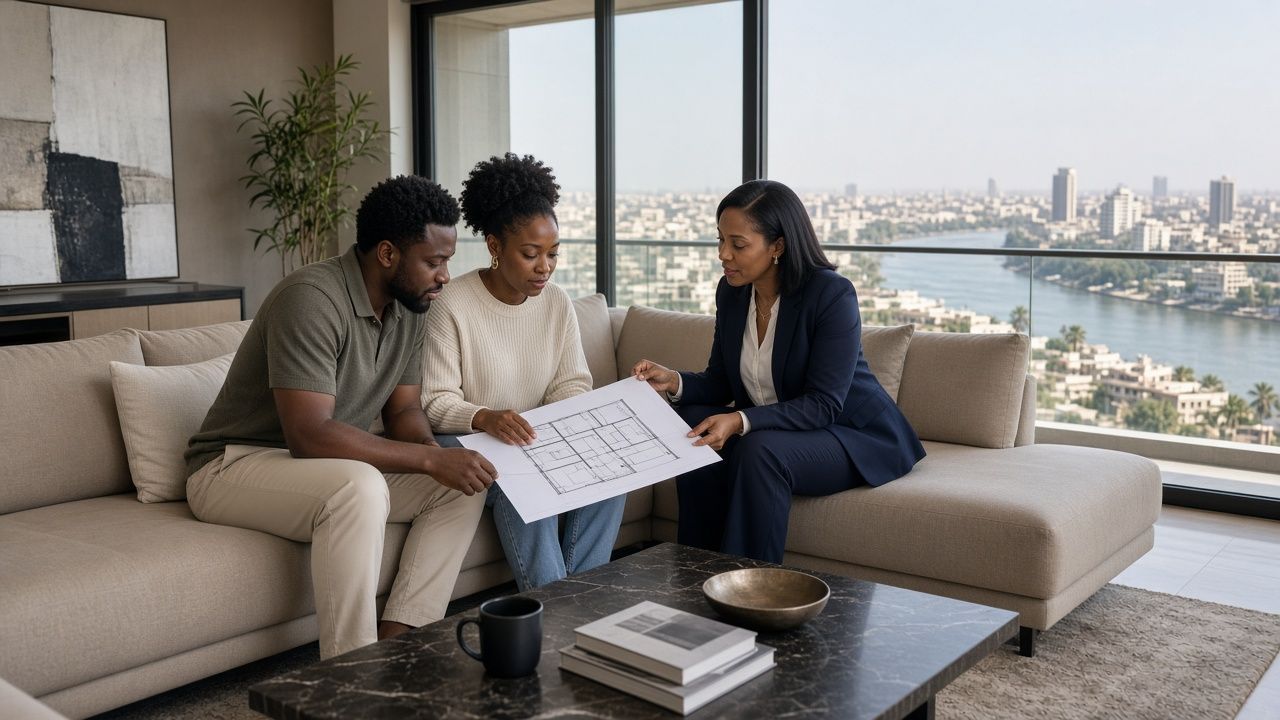
Inside one of the Khartoum towers, floor plates step from mid-size apartments for households starting out, to wider units facing the city, with generous corridors, calm finishes, and windows set to catch light more than noise. That balance is not accidental. The company says it has worked since 2018 in real estate development and engineering consultancy at the same time, and that this pairing is what stops the drawing from parting company with the build halfway through.
We are not selling square metres alone. We put the household at the centre of the design decision, then we hold ourselves to the same standard in execution that we demand from the consultant on paper.
Kamal Abdallah, real estate development director at Arabtic Group
More than one budget, one specification book
The group’s stated vision is to lead real estate development in Sudan, to introduce new work in construction, and later to expand carefully toward regional markets. In Al-Thuraya that language shows up as practical detail: several unit types, sites in two cities with different economic rhythms, and ownership options that serve more than one price band. Villas, towers and apartments are not a catalogue for display. They are tools for widening who can buy without letting structural safety fall as the price falls.
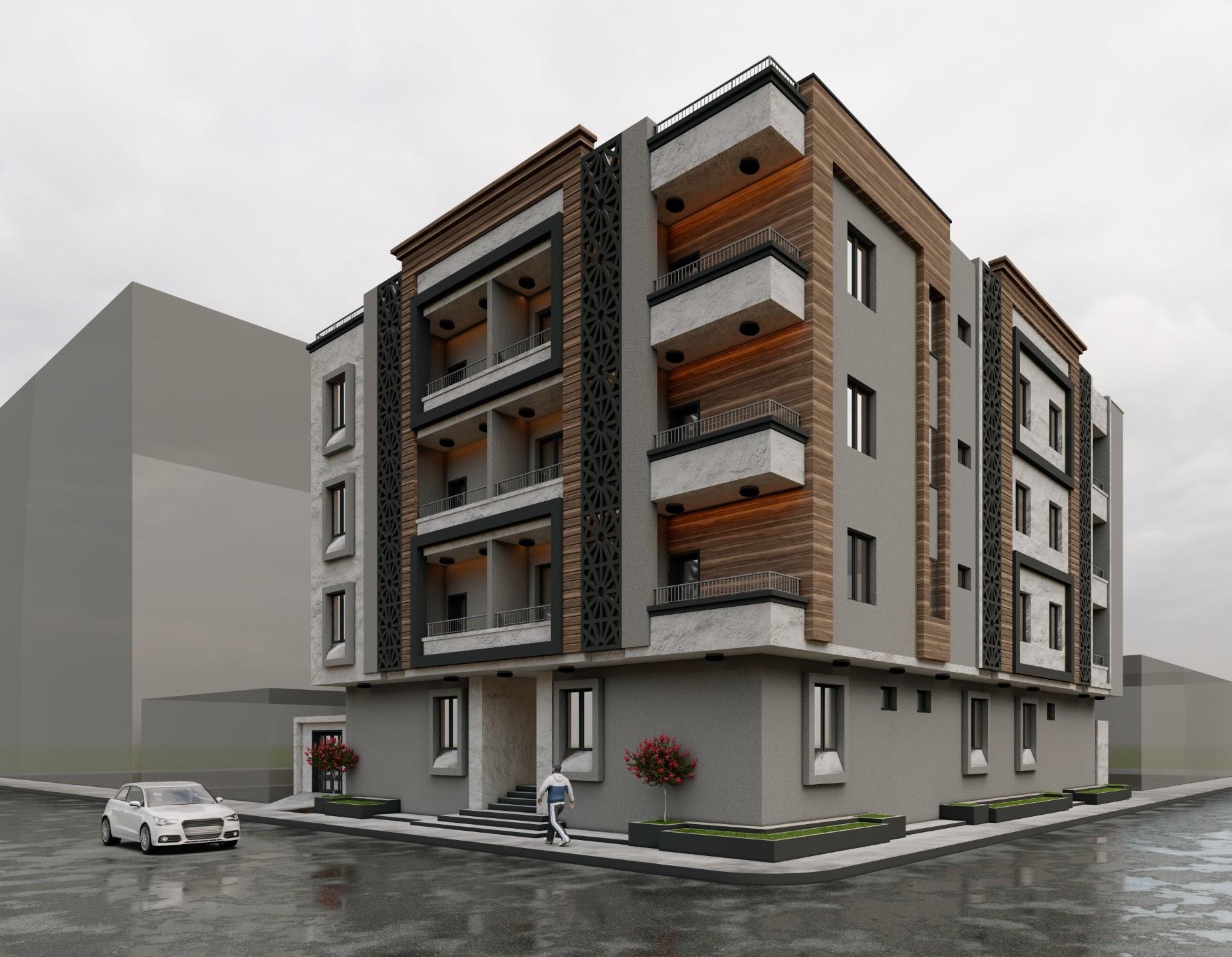
In Port Sudan the series takes a slightly different character. The coastal city asks something else of housing: longer ventilation, views closer to the sea and to work, and proximity to port traffic. The engineering office nevertheless kept a single specification book between the two cities, so the branch would not become a thinner copy of Khartoum. Quality supervisor Nada Hassan says what is promised in Kafouri is honoured on Alsilk Road, and that any difference must be functional, not a discount in disguise.
Handover is not the end of the job
What sets Arabtic’s language apart from many local developers is the insistence that handover is not the end of the relationship. The group talks plainly about asset management and hospitality after completion, and about running complexes in a way that protects the value of a unit after the owner moves in. In a market where buyers are often left alone with lift failures and facade repairs, that point sounds closer to an operating promise than a slogan.
On a Wednesday evening the reception desk was staffed, the common lighting was even, and the management office was logging residents’ notes in a daily register. Small details, but they are what separate a tower that ages in five years from one that keeps its name. In that sense Al-Thuraya is not only an addition to two city skylines. It is a test of whether a company founded in 2018 can turn engineering advice into housing that people actually live in, in Khartoum as in Port Sudan.