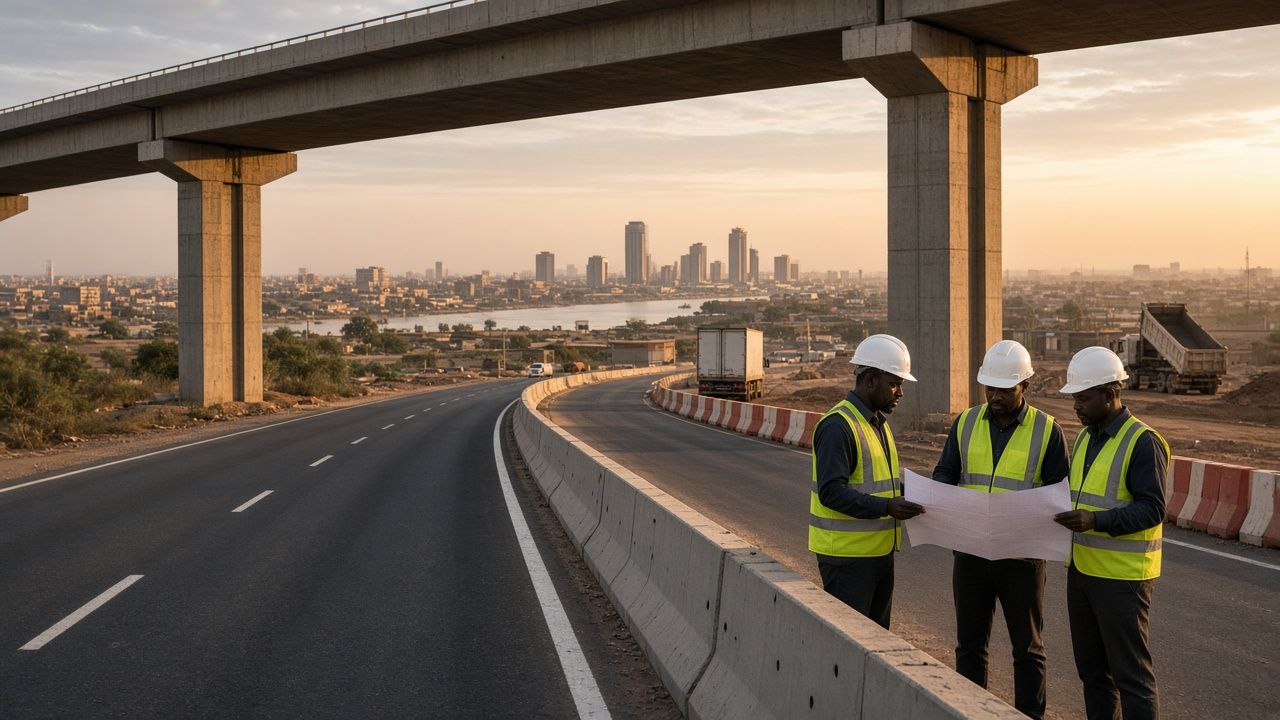
Before a driver reaches the end of the new corridor south of Khartoum, the difference shows in details that rarely make an opening statement: the shoulder fall, the evenness of the barriers, and the absence of that light wave in the asphalt that punishes a vehicle after two months. Arabtic Group, an engineering company that builds roads and bridges as well as real estate, wants its work read from those details, not from kilometre length alone.
Sudan needs a transport network that can carry goods and people between the capital, the port and farming towns, in heat, dust and truck loads that do not forgive a weak course. The group says it is committed to safe, sustainable engineering that supports urban development and the transport network. The sentence is familiar in the sector. The test comes when the programme tightens, mix temperatures rise, and an early handover is requested.
The bridge that opens today has to remain safe after ten rainy seasons. If we do not design for that, we are building a picture, not a road.
Eng. Eltayeb Hassan, roads and bridges director
From the embankment to the wearing course
On Arabtic sites the conversation starts with the ground, not the asphalt. Embankments, compaction, drainage, then concrete structures, then the binder and the surface. The sequence looks obvious in textbooks, and collapses quickly if material supply is cut off from the resident engineer’s decision. That is why the group ties roadworks to the concrete and asphalt products it produces or quality-controls, so a project does not depend on a supplier changing the specification midweek.
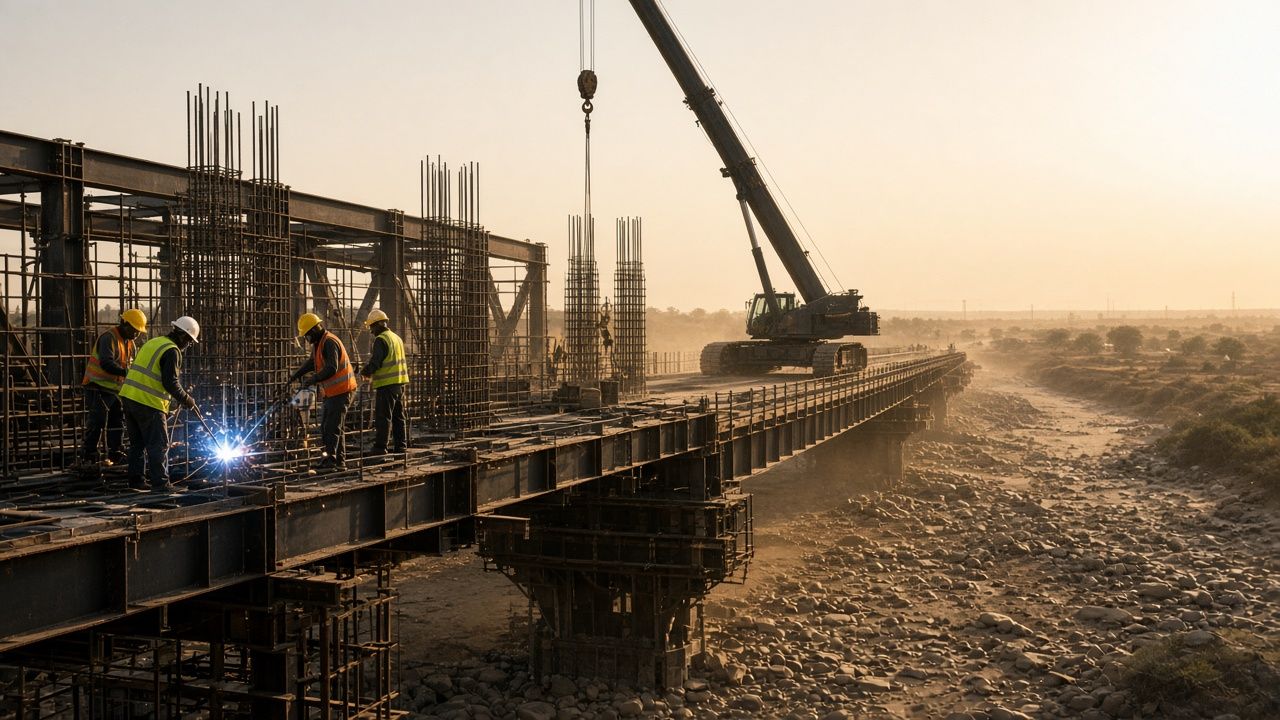
Resident engineer Salma Ibrahim walks the site early, before the heat rises, and keeps a notebook in three columns: safety, materials, time. The most dangerous sentence on a project, she says, is “that will do”. A road accepted with a small error in fall pays later in crashes and maintenance. The group, on her account, would rather hand over two days late than hand over a surface that will not drain autumn rain.
Infrastructure as a daily service
What Arabtic is trying to prove in this file is not merely that it owns a plant fleet. It is that a bridge is a living route: a school on one side, a market on another, a hospital on a third. When a link closes, a number in a programme does not stop; a family is delayed. Traffic diversions are therefore treated as part of the design, not a temporary measure left to guards. On one corridor an emergency lane was kept open through weeks of pouring, at extra cost to the contractor.
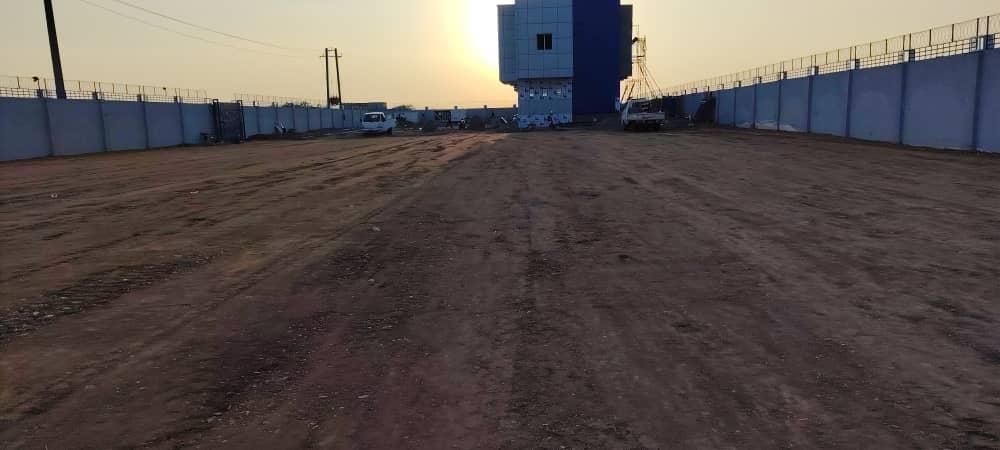
In a country where property and infrastructure meet at the edge of every new neighbourhood, roadwork is a natural extension of a company that also builds residential towers. A modern tower is worth little if its approach floods in season, and a road is worth little if it does not reach homes and work. Arabtic is betting on that pairing: housing that is lived in, roads that are used, and bridges judged by their life, not by the day the ribbon is cut.