
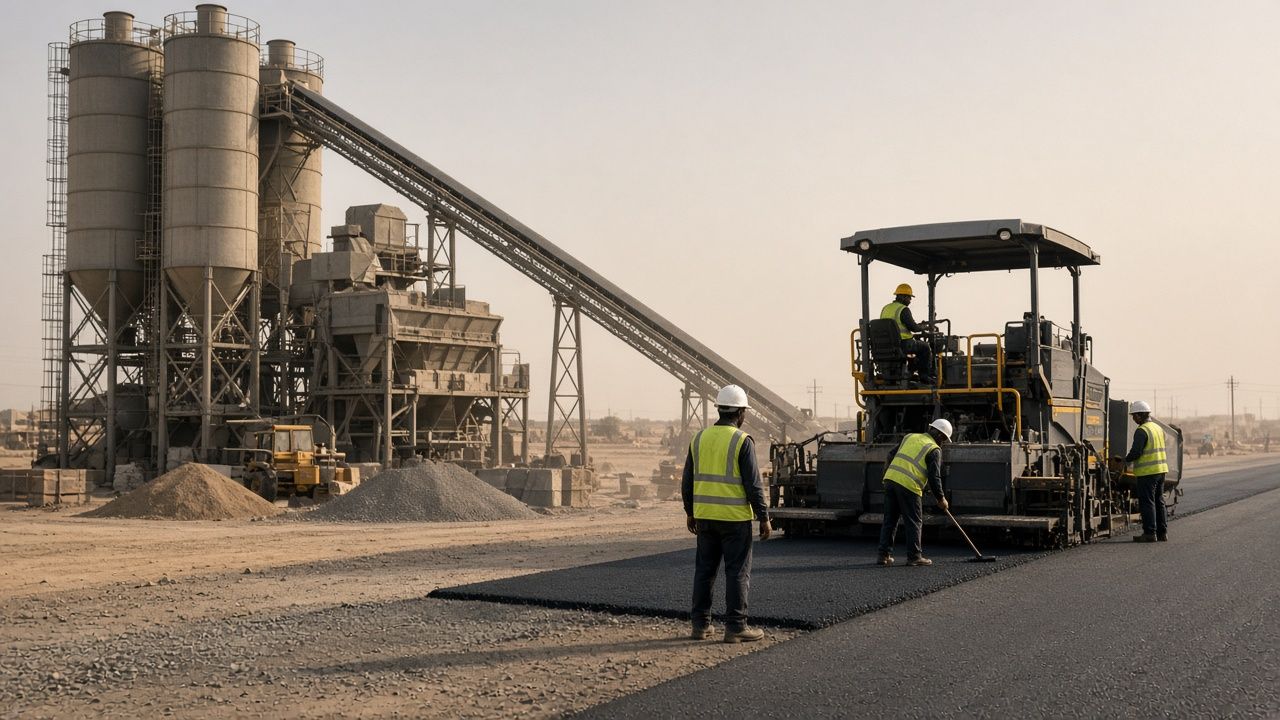
Late in the afternoon a mixer truck waits at the gate of a road site on the edge of Khartoum. The engineer does not only sign for delivery. He takes a sample, logs the temperature, and holds the pour twenty minutes because the consistency does not match the book. The scene is slow, and irritating to a contractor in a hurry, and it is exactly what Arabtic Group wants to become habit rather than exception. Concrete and asphalt products, in the company file, are not a support service. They are a way to control quality before it becomes a number on a bill of quantities.
The local market knows how a specification is lost between plant and site: a weaker mix than agreed, asphalt laid colder than it should be, steel that arrives late and is replaced by a lower grade. When a developer depends on suppliers they do not see daily, the dispute turns into blame after cracking appears. Arabtic says it wants to shorten that distance by producing or directly controlling concrete and asphalt, and by tying warehouses to the site programme rather than to promises made by phone.
If we cannot say where the mix came from and at what temperature it was laid, there is no meaning in talking about the safety of a bridge or the slab of a tower.
Eng. Haider Mustafa, supply and quality director
The warehouse is part of the design
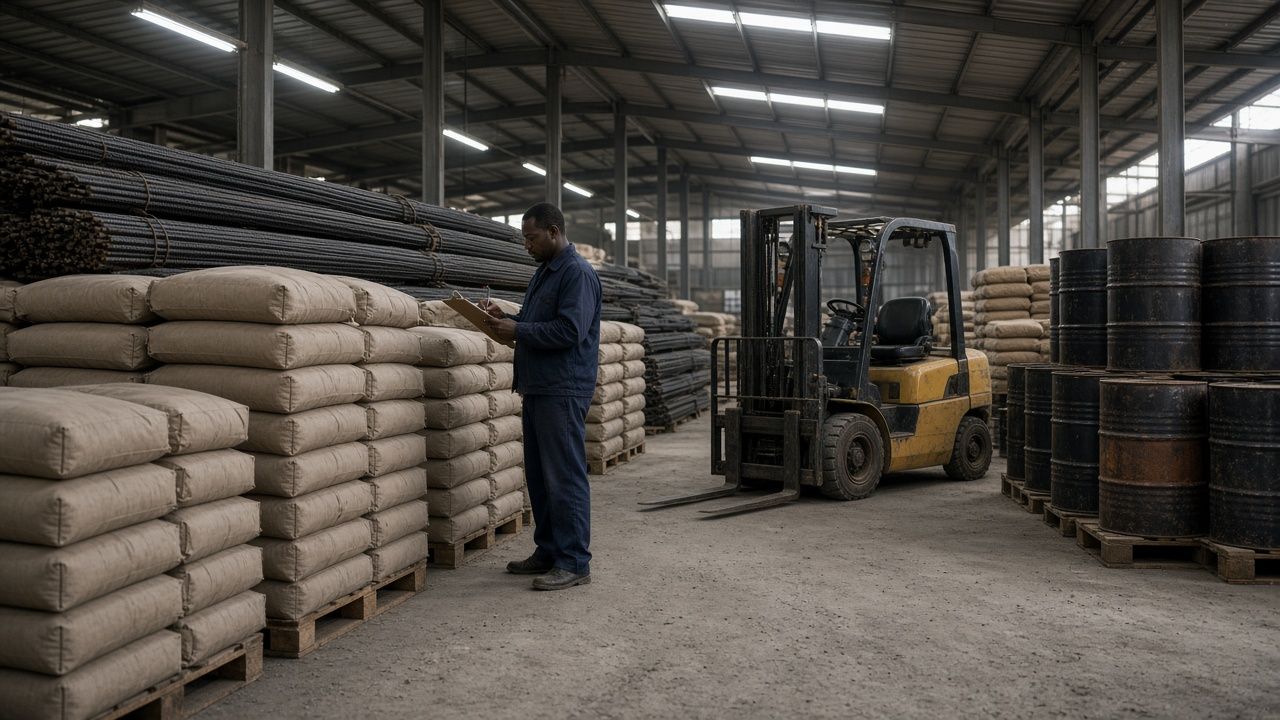
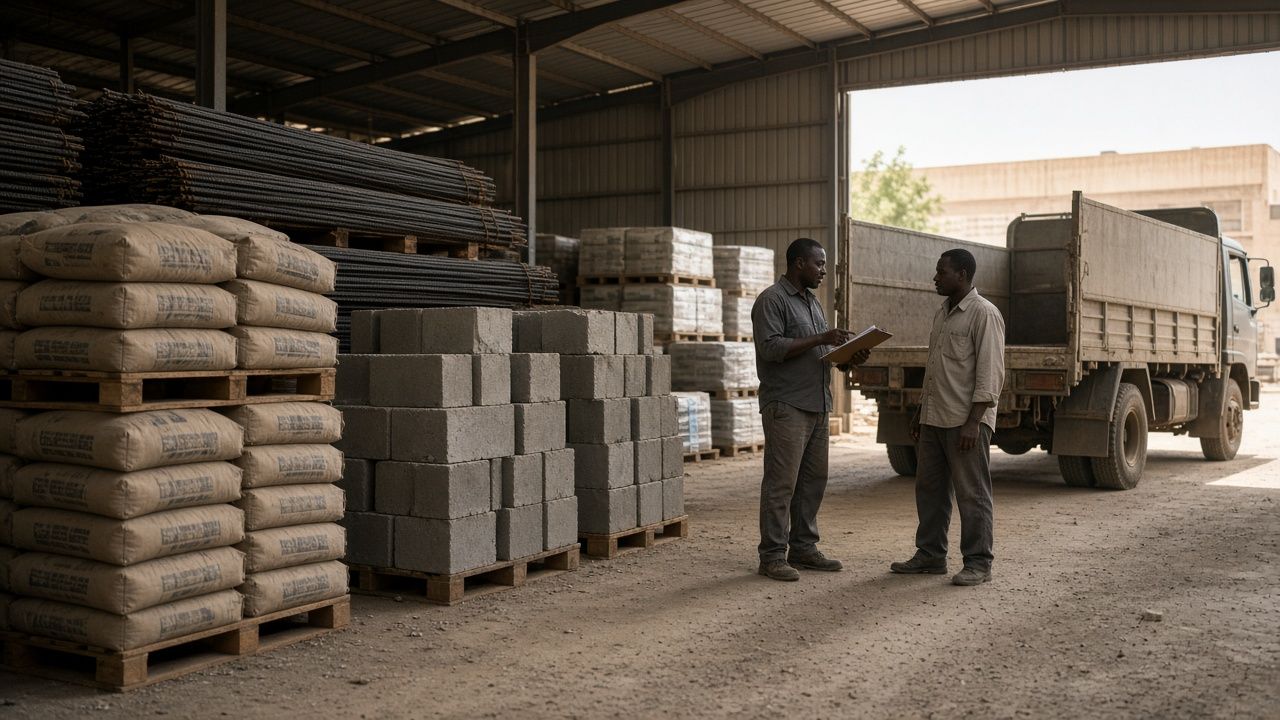
In the orderly warehouse we visited, cement bags sit off the damp, bitumen is kept in watched conditions, and reinforcing steel is logged by batch number. It looks administratively dull, and it is. That dullness is what stops materials without a source from entering the site. Procurement, which appears in the group structure beside execution and project management, is not measured by speed of purchase but by the power to refuse. Storekeeper Adam Yousif says the most dangerous day in his job is the day he is asked to pass a shortfall “so the pour does not stop”.
On the paving line, the result of this system, or its absence, shows within hours. Asphalt that arrives at the right temperature knits; asphalt that arrives cold later breaks up in heavy wheel paths. The group ties roads and bridges work to these products so a project becomes one chain: design, supply, execution and testing. Field engineer Iman Khalil measures the surface after the roller and stops the work if tolerance is exceeded. Relaying a course, she says, is easier than explaining a pothole to a ministry or to neighbourhood residents six months later.
Housing eats from the same mix
The link between a concrete plant and a residential tower is clearer than buyers think. Columns, slabs and precast elements all come from the same decision that produces a road barrier. If quality drops at the plant to speed a road delivery, the effect will show tomorrow in a car-park slab under the tower. That is why management refuses to split “infrastructure products” from “property products” in the quality book, even if the teams part ways in the daily timetable.
In an industry that likes to announce completion by the kilometre or by the number of units handed over, control of the mix looks like an internal subject that does not make news. In the longer run, it is the news. A group founded in 2018 that promises safety on the roads and refined living in the towers cannot leave the building material to whatever surprise arrives with the truck. Concrete and asphalt, from warehouse to site, are the quiet exam against which the rest of the promises are marked.